Starting Couples Therapy? What to Expect in Your First Sessions
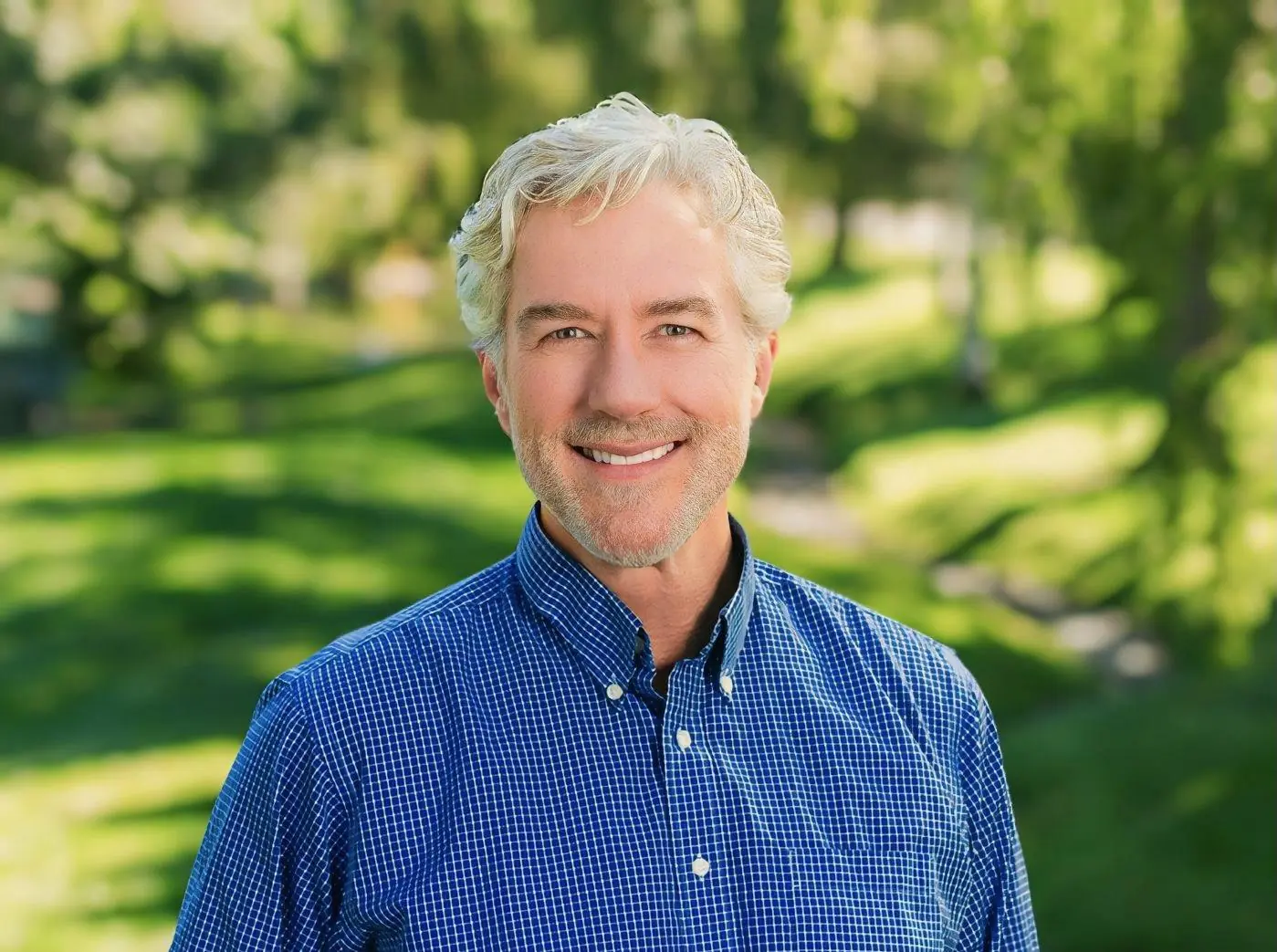
Reno Therapist Cornelius Sheehan, LCSW photo. He does individual counseling couples and family therapy in reno, nv. He is founder / director of therapy in Reno, NV practice: Individual & Relationship Counseling Associates. Reno, NV. Specialist in Marriage counseling

What to Expect in Couples Therapy: A Path to Clarity and Healing

This article offers a clear, practical overview of how couples therapy—especially Emotionally Focused Therapy (EFT)—can help you reconnect, communicate more effectively, and move forward with greater confidence.


Expect Respect and Care for Your Values

Very importantly, you will be met with respect for your personal and shared views and values.

image of therapy in reno nv , free consultation coordinator, Tammy
Our Care Coordinator, Tammy

Our therapists are experienced in helping couples reach toward one another in a more open, connected way. At the same time, we remain grounded in the understanding that you are the expert on your relationship and what you want for it.

In that sense, we function as highly trained guides—helping you move toward your goals without telling you what decisions to make.

You should never feel judged or “ganged up on.” We pay close attention to how each of you experiences the process, and we adjust when needed to ensure both partners feel understood and supported.


What Is Emotionally Focused Therapy for Couples?

Emotionally Focused Therapy (EFT) is grounded in the science of attachment—how we bond with one another and what happens when those bonds are strained or disrupted.

If you’d like a deeper explanation, you can learn more about Emotionally Focused Couple Therapy here.

For those looking for a concentrated experience, our Couples Retreat in Reno offers a weekend intensive format.

At a practical level, EFT focuses on helping couples:

  • Feel safer and more supported with each other
  • Communicate more openly and honestly
  • Build a stronger, more secure foundation for the relationship

Rather than focusing only on surface communication, EFT helps you understand why certain reactions happen—especially in moments of disconnection—and how to respond in ways that bring you closer instead of further apart.

Over time, partners begin to experience their importance to one another more clearly, and that shift often changes the tone of the entire relationship.

Three Phases of Work in EFT

  • PHASE ONE: Understanding the recurrent patterns that cause distance or conflict. We call this phase, “de-escalation.”
  • PHASE TWO: Rebuilding the emotional bond by fostering clear two-way communication of longings, fears and pain spots.
  • PHASE THREE: Consolidate these changes by applying them to past difficulties and future scenarios.

What Actually Happens in a Couples Therapy Session?

In your first session, we’ll talk about what brought you in and what you hope will change.

There’s no “right” way to begin. You don’t need to prepare anything in advance.

By the end of that first meeting, you can expect:

  • A clearer understanding of how we see the challenges
  • A general roadmap for the work ahead
  • A sense of whether this approach feels like a good fit

Ready to see how this works for your relationship? Schedule a consultation in Reno today.


What Ongoing Sessions Typically Look Like

Couples therapy follows a clear direction, but the process unfolds naturally in conversation.

Here’s what we focus on:

Identifying Relationship Patterns
We work together to understand the cycles that lead to conflict or distance. This helps shift the focus away from blame and toward the pattern itself.

Practicing New Ways of Communicating
You’ll begin to have different kinds of conversations—often with guidance in the moment—so you can express what matters more clearly and hear each other more fully.

Developing a Stronger Emotional Connection
As the work progresses, conversations become more open and direct, helping both partners feel more secure and connected.


Feeling ready to talk? View our therapist’s availability in Reno and book online.


Step-by-Step: How the Process Unfolds

Emotionally Focused Couple Therapy (EFCT) in Reno is a structured, collaborative process aimed at strengthening your emotional bond.

Understanding Your Relationship Patterns
We identify the recurring cycles—conflict, withdrawal, miscommunication—that keep you stuck, and begin to see them as a shared challenge.

Exploring the Emotions Beneath the Conflict
You’ll have the opportunity to express deeper feelings that often go unspoken—such as hurt, fear, or longing for closeness—in a way that can be heard and understood.

Rebuilding Trust and Security
With support, you’ll begin turning toward each other differently—responding with more openness, reassurance, and care.

Creating New Patterns of Connection
Over time, you develop more reliable ways of staying connected and working through challenges together.

For more detail about how sessions are structured, you can explore our page about couples therapy here.


How Long Does It Take to See Results?

Each couple’s situation is different, but many begin to notice meaningful shifts within the first few sessions.

In our experience:

  • Noticeable changes often begin within 4–10 sessions
  • A full course of therapy is typically around 18–24 sessions
  • Some couples continue periodic sessions to maintain progress and work through future challenges

The most important indicator is not the number of sessions, but whether the relationship begins to feel different—more open, more responsive, and more secure.


Ready to Take the Next Step?

If you’re ready to explore how EFT in Reno can help, you can go here to get started.

Taking this step can feel like a lot. From your first contact with Tammy, our Care Coordinator, we work to make the process clear and manageable.

You can call us at 775-235-2205

What actually happens in the first couples therapy session?

In your first session at our Reno office, we focus on understanding the “cycle” of your conflict rather than choosing sides. You’ll discuss what brought you in, and by the end of the hour, we will provide a roadmap for how Emotionally Focused Therapy (EFT) can help you reconnect. There is no need to prepare; just come as you are.

How many sessions will we need before we see progress?

While every relationship is unique, many couples in our practice begin to feel a shift in their communication within 4 to 10 sessions. A full course of EFT, which aims for long-term emotional security and structural change in the relationship, typically spans 18 to 24 sessions.

Will the therapist take sides or tell us if we should stay together?

No. As therapists, we function as guides, not judges. Our role is to help you understand your relationship’s patterns so you can make informed decisions. We work hard to ensure neither partner feels “ganged up on,” maintaining a neutral, supportive environment for both of you.

Do you accept insurance for couples counseling in Reno?

image of therapy in reno nv , free consultation coordinator, Tammy

We are a Hometown Health Plan provider and can work with various insurance structures. We recommend contacting our Care Coordinator, Tammy, to verify your specific coverage and understand your investment before your first session.

What if my partner is reluctant to attend therapy?

It is very common for one partner to feel more hesitant than the other. We suggest starting with just one “consultation” session to see if the environment feels safe and respectful. Often, when partners realize the focus is on the pattern rather than their faults, the reluctance decreases.

Moving forward with therapy is a meaningful investment in your relationship. We’re here to help you make that step with clarity and confidence.

YouTube thumbnailYouTube icon
Reno Therapist Cornelius Sheehan, LCSW photo. He does individual counseling couples and family therapy in reno, nv. He is founder / director of therapy in Reno, NV practice: Individual & Relationship Counseling Associates. Reno, NV. Specialist in Marriage counseling

Choosing the Right Couples Therapist

clients in EFT couples therapy in Reno, NV. outdoor hiking photo

How to Choose a Couples Therapist

Choosing a couples therapist is an important step toward strengthening your relationship — but how do you know which therapist is right for you and your partner? You may have searched for terms like “best relationship counseling near me” or “how to choose a couples therapist,” and now you’re looking at a list of options. How do you make an informed choice?

Starting couples therapy is a significant investment in your relationship. You want a therapist whose expertise aligns with your needs — someone who understands the challenges you’re facing and can guide you effectively.

A good couples therapist will typically offer a brief consultation so you can assess their approach and determine if they’re the right fit. To help you through this process, I’ve provided a list of key questions to ask when evaluating a potential therapist — along with guidance on what to listen for in their responses.

These questions fall into 3 essential categories:

  1. A therapist’s qualifications – Their training, experience, and credentials.
  2. Their perspective on relationship distress and wellness – How they understand and approach relationship challenges.
  3. Their therapeutic process – What working with them will look like, session to session.

First, Reflect on Your Relationship Needs and Past Therapy

Before you start calling therapists, take a short pause together. A little clarity here makes the search faster and the first session more productive.

Why now?
What’s brought us to therapy at this moment? Are we:

  • Arguing more often or avoiding difficult conversations?
  • Recovering from a betrayal such as an affair or addiction?
  • Struggling with emotional or sexual disconnection?
  • Facing parenting, blended-family, or major life stresses?
  • Wanting to strengthen our bond before bigger problems arise?

What have we tried before?
Have either of us done individual or couples therapy in the past?

  • What genuinely helped? What didn’t?
  • Did we feel safe, respected, and fairly understood?
  • Did therapy lead to lasting change, or did things drift back?

Hopes and outcomes (set a shared aim)
Try completing this sentence together:
“In 8–10 sessions, we’d like to be able to…”

  • De-escalate our arguments faster
  • Feel emotionally close again
  • Rebuild trust after a rupture
  • Decide together what our next step should be

Values, identities, and preferences
Are there cultural, faith, identity, or lifestyle factors we want our therapist to understand?
Will we need telehealth sessions some of the time?

Emotional safety and boundaries
Are there any emotional or physical safety concerns we need to name up front?
If an individual assessment sessions occurs (they are a normal part of the therapy we do at Individual & Relationship Counseling Associates), what boundaries around confidentiality would help us feel safe?

Quick takeaway:
The clearer you are about why you’re coming, what’s helped or hurt before, and what “better” would look like, the easier it will be to spot a therapist whose training and approach match your needs.

Ask a Potential Therapist These Questions

Is a potential new couple therapist to find out if they’re right for you? Below is a guide to help you determine this and find the right relationship counseling near you. I’ve broken it into sections to make it easier to track.

Couple Therapist Qualifications

Experience and Professional Engagement
Approximately what percentage of your practice over the last two years has been dedicated to working with couples?” And, “do you have a regular consultation process wherein you discuss your work?” These questions aim to assess the therapist’s dedication to couples therapy. A therapist applying techniques learned for individual therapy to the complexities of a couple’s dynamics can fall far short of what a relationship needs.

Specialized Couple Therapy Training and Qualifications
What specific training in couples therapy have you undertaken?” Exploring their specialized training provides insight into their qualifications and dedication, facilitating the process of finding the right therapist for you. Prospective therapists should be able to describe application of a method of therapy relative to their training. An EFT Couple Therapist can describe their process in a detailed fashion.
“Do you have specific training regarding difficulties related to sexuality?” This is an important question for couples struggling with problems relating to sexuality to ask.

Feedback and Evaluation Process
“How do you provide feedback and evaluate progress in therapy?” This question allows couples to understand how the therapist assesses progress and navigates therapeutic milestones. A transparent feedback mechanism is vital for ensuring that therapy remains aligned with the couple’s goals and for making necessary adjustments to the therapeutic approach.

Couple Therapist’s Theoretical Orientation

Therapist’s Theoretical Orientation
“What theoretical perspective guides your work with couples?” It is essential that the therapist operates from a solid theoretical foundation, such as Attachment Theory, which is at the heart of Emotionally Focused Couple Therapy (EFT). The approach a therapist takes should be grounded in solid theory. Also, there should be a structured methodology to effectively address relationship distress.

Does the Therapist Understand When NOT to Do Couple Counseling?
“What are the Contraindications to Couple Therapy?” A prospective therapist should be clear about this. They should describe when the type of couple’s therapy they do might not be the best choice or should be approached with caution. Common contraindications follow: Severe mental illness and substance use disorders that interfere with participation. Misaligned agendas for therapy. Ongoing affairs that threaten a partner’s sense of security. Also, a risk of violence that prohibits vulnerability. In some cases, addressing the contraindicating issue (such as through individual therapy, addiction treatment, or safety planning) can make couple therapy like EFT a viable option later on.

Therapist’s Focus: Emotional Connection or Behavioral Contracts?
“How important is the emotional bond versus behavioral contracts in your approach to couple dynamics?” Herein, a therapist who emphasizes strengthening the emotional connection addresses the core issues of relationship distress effectively. The late Dr. Sue Johnson’s insight, “it’s about the bond, not a bargain,” poignantly captures the essence of couple therapy.

Perspective on Enhancing Communication Skills
“How do you work to enhance communication skills in your therapy sessions?” Ideally, the therapist’s approach should highlight the importance of fostering trust that your partner is available, responsive and emotionally engaged. By contrast, a focus on mere communication techniques can interfere with the depth of understanding in the relationship. “I statements” and similar “communication tips” don’t come online readily when intense emotion gets stirred. This is a very important distinction in finding the right therapist for you.

Couple Therapist’s Process

Expectations for Therapy Duration and Frequency
“What are your expectations for the duration and frequency of therapy sessions?” This question helps set realistic expectations for the therapy process. For example, you want to understand how long it might take to see improvements and how often sessions will occur. Therapy is a significant investment. It’s crucial for planning and commitment to the therapeutic journey that you know what to expect.

Strategies for Enhancing Connection Outside Therapy
“What strategies do you recommend for couples to enhance their connection outside of therapy sessions?” A therapist who offers practical tools, exercises and resources for couples to work on between sessions demonstrates a proactive approach to therapy. This can help accelerate progress by encouraging partners to actively engage outside the therapeutic setting.

Approach to Individual Sessions
“Do you conduct individual sessions with partners?” Generally, therapy should involve both partners, with individual sessions reserved for specific assessment purposes. This approach reflects the therapist’s commitment to treating the relationship as the central client. Further, you probably don’t have the right therapist for you if they don’t have a clear policy about how to treat informations shared during individual sessions!

Ensuring Impartiality
“How do you maintain impartiality in your sessions?” Asking this question probes the therapist’s strategy for navigating complex couple dynamics. Thereby, ensuring they view the relationship as an interconnected system. I think it’s so important to feel confident about a prospective therapist’s answer to this question. This is because the experience of therapist bias toward one partner is a primary reason clients cite for therapy “failing.”

How to Find the Best Couples Therapy Locally

If you’re looking for couples therapy in Reno, NV (or in your local area), here are a few tips to help you find the best therapist for your needs:

  • Search using phrases like “how to choose a couples therapist near me,” “relationship counseling near me,” or “couples therapy Reno NV.”
  • Look for therapists who specialize in relationship work and have advanced training — such as Emotionally Focused Therapy (EFT)
  • Prioritize therapists whose practice is focused on couples counseling — not general individual therapy.
  • Ask for a brief consultation — this helps you assess their approach and whether it feels like a good fit.
  • Consider practices like Individual & Relationship Counseling Associates in Reno where couples therapy is a core specialty.

How to Choose a Couples Therapist: Summary

Selecting the right couples therapist is a thoughtful process — and asking the right questions can help you choose a professional who aligns with your relationship goals. The questions provided here will give you insight into a therapist’s philosophy, methods, and approach, helping you determine if they’re the right fit for your needs.

While a basic search such as “relationship counseling near me” is a good starting point, refining your options is essential. Look for a compassionate, well-trained therapist who provides a clear process, focuses on emotional connection, and can effectively guide you and your partner toward a stronger relationship.

If you’d like to learn more about our approach to couples therapy, visit our Couples Counseling in Reno page or contact us for a confidential consultation.

how to choose a couples therapist article image

Go here for answers to more questions for frequently asked questions (FAQs) about the relationship counseling we do at our practice.

Will My Insurance Cover Therapy?

will my insurance cover therapy? image of couple asking question: will my insurance cover therapy?

Individual & Relationship Counseling Associates

Why Verify Your Therapy Insurance Benefits?

A common question (view our FAQ’s here) we are asked at our therapy center in Reno is, “will my insurance cover therapy?” Understanding your insurance coverage for mental health services is an important step in making informed decisions about your care. This form will guide you through a conversation with your insurance company to help you understand your out-of-network benefits for therapy sessions.

Send us an email to receive a printable version of this form.

Before You Call:

  • Gather your insurance card and any relevant policy information.
  • Have a pen and paper ready to take notes.
  • Be prepared to wait on hold or be transferred to different departments.

Call your insurance company at the Member/Customer Services line. They may ask for your patient ID number. Each insurance carrier organizes its phone menu options differently, but you should listen for the options of checking benefits and eligibility and checking mental or behavioral health benefits. If possible, choose to speak to a live representative. If this is not a menu option, you may be able to reach one by verbally asking for a representative or for customer service. You may be transferred before reaching the representative who can tell you your benefits. Note the date you call and the call reference number.

Client Name: _________________________

Date: _________________________

Insurance Company: _________________________

Member/Customer Service Phone Number: _________________________

Call Reference Number: _________________________

  1. Benefit Period: (The year your coverage is active) _________________________
  2. Out-of-Network, Outpatient Mental/Behavioral Health Benefits:
    • Individual or Family Benefits (or both): _________________________
    • Deductible:
      • Individual: _________________________
      • Family: _________________________
    • Amount Met Towards Deductible:
      • Individual: _________________________
      • Family: _________________________
    • Coinsurance Rate (Percentage patient pays): _________________________
    • Out-of-Pocket Maximum:
      • Individual: _________________________
      • Family: _________________________
  3. Pre-Authorization Requirements: _________________________
  4. Claims Address: _________________________

Additional Notes: _________________________

Will My Insurance Cover Therapy? An Example:

Let’s say the representative gives you these benefits:

Benefit period: 5/1/25-4/30/26

Deductible: $1,000 Amount met towards deductible: $300

Coinsurance rate: Insurance responsibility: 60% Patient responsibility: 40%

Out-of-pocket maximum: $5,000

Explanation:

These benefits are applicable during your benefit period. This means that on 9/1/16, a new benefit year begins. The benefit year is important to know because it tells you when the accumulation towards the deductible starts over. Many insurance companies will tell you the effective dates of the policy before they tell you the benefit period. This can be confusing, because both of them are dates and may be given at the beginning of the call, but make sure you ask for the benefit period specifically. You can ignore the effective dates for this worksheet.

Deductible Amounts:

Often, a deductible must be met before reimbursement is possible. In this example, that means that the patient has to spend $1,000 out of pocket before reimbursement can begin. Insurance companies will reimburse a percentage of the usual and customary fee for a therapy session. They will not tell you the usual and customary rate, but it is determined by typical session costs in your region. Often, this rate is lower than the actual fee you paid for your session.

The percentage of the usual and customary fee that the insurance company covers is known as the coinsurance rate. Be sure to find out what percentage the insurance company will cover and what percentage you will cover after the deductible is met. In this case, the insurance company will cover 60% of the fee after the deductible is met. For this example, let’s say the usual and customary rate is $100. The insurance company will send back $60 for every session after the deductible is met. The patient will have had 60% of the usual and customary rate reimbursed.

Your Out-Of-Pocket Maximum

Your insurance company will put a limit on how much money you spend before they cover out-of-network mental health services at 100%. They will either limit the amount you pay out of pocket in general – the out-of-pocket maximum – or they will limit what you pay after the deductible as part of your coinsurance responsibility – the coinsurance maximum.

If you still need help with, “will my insurance cover therapy?” call us.


Individual & Relationship Counseling Associates

Relationship Counseling / Therapists in Reno, NV

Meet Tammy Sheehan, Our Care Coordinator

Tammy Sheehan, Care Coordinator at Individual & Relationship Counseling Associates – Contact therapists in Reno.

Care Coordinator, Tammy Sheehan

Welcome to Our Therapy Practice in Reno

Welcome to our practice specializing in EFT couple therapy, marriage counseling, family therapy, and individual counseling in Reno! Taking the first step toward therapy can feel daunting, but we’re here to make the process seamless and welcoming. From the moment you contact us by phone or email, our priority is to create a warm, supportive, and confidential environment. Your therapeutic journey begins with that initial connection.

Your First Contact with Our Team

I, or a member of our team, will be your first point of contact. Our caring, non-judgmental, and experienced EFT therapists in Reno will take the time to listen to your needs and concerns. We’ll conduct a brief, non-clinical assessment to ensure our practice is the right fit for you. We understand that seeking help is a significant decision, and we want you to feel confident and comfortable in your choice of therapist.

How We Make the Process Easy

Once we confirm a good fit, we’ll guide you through scheduling your first appointment and completing any required paperwork. Our practice is fully paperless, meaning all necessary documentation is completed through our secure, HIPAA-compliant online portal. Here’s how to get started:

  1. After the initial intake, we email each client an invitation to the portal. You may also arrange a brief consultation with one of our therapists.
  2. Complete the online forms within 36 hours to hold your appointment.
  3. Attend your first appointment.
  4. Use the portal’s online scheduling feature for future appointments.

If anything feels difficult, our team is here to guide you every step of the way.

Attachment-Based Therapy in Reno

Individual & Relationship Counseling Associates specializes in attachment-based EFT marriage, individual, family, and couple counseling. We believe this approach offers a powerful path to healing and growth. Whether you’re seeking to improve your relationships, address family dynamics, or explore personal challenges, our commitment is to make this journey accessible and supportive for you.

Call us at 775-235-2205 to learn more about EFT couple counseling, individual or family therapy, or EFT marriage therapy in Reno. We’ll help you schedule a no-cost consultation with one of our therapists.