
Family Estrangement: Why “Toxic” Isn’t Usually the Whole Story
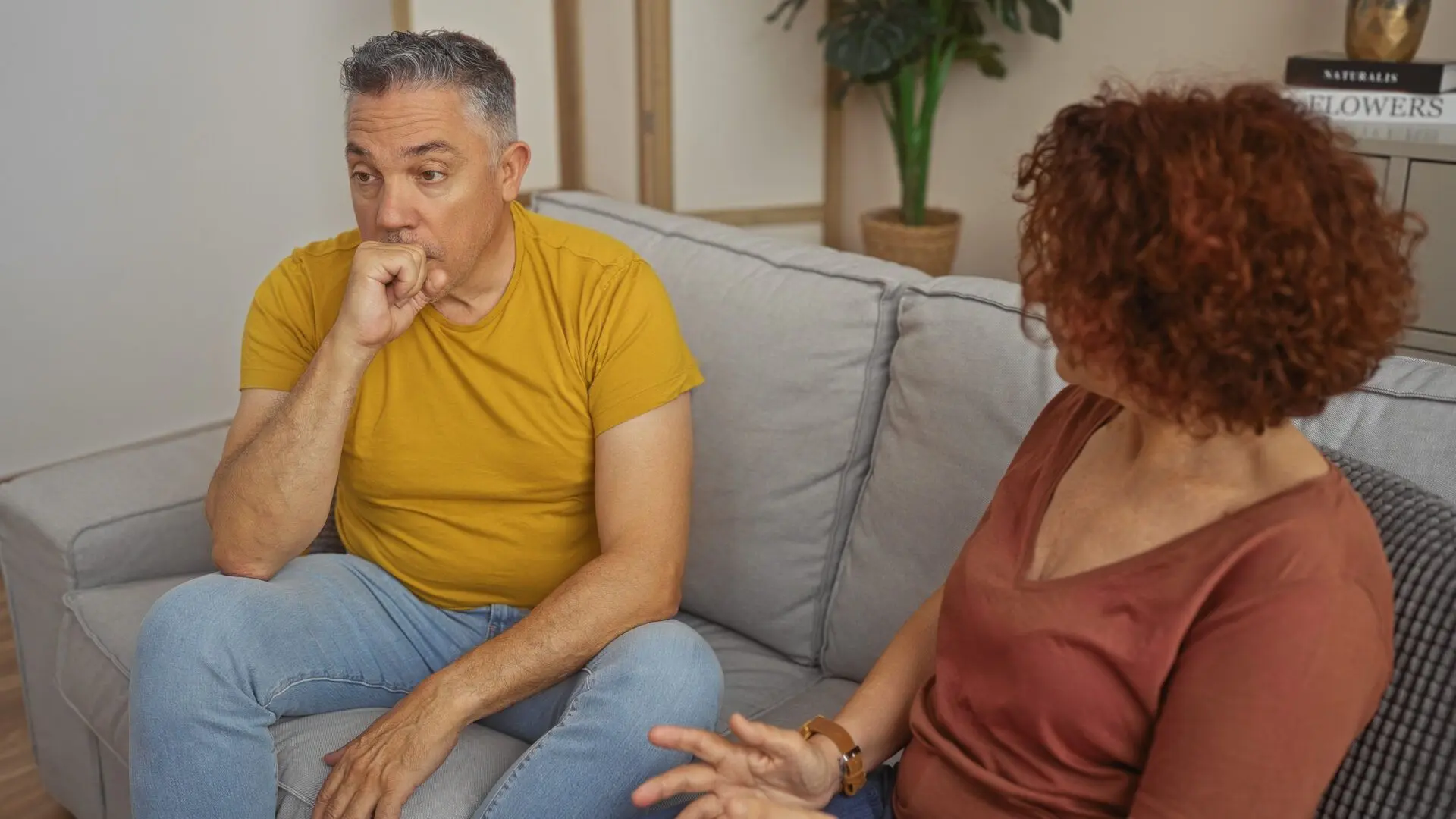
Family estrangement used to be a private shame. Today, it’s a public conversation. For many, walking away from a family of origin is an act of survival—a necessary step to protect their dignity and safety.
But there is another side to the story. Many parents and grandparents find themselves cut off, feeling confused and heartbroken. They aren’t always villains; often, they simply don’t understand what went wrong.
In our current culture, the pendulum has swung from “stay at all costs” to “cut them off if it hurts.” While this shift has helped many escape abuse, it has also oversimplified complex human relationships.
The Problem with the “Toxic” Label
The word toxic is everywhere. Sometimes it’s accurate—describing relationships defined by abuse or coercion. In those cases, distance is life-saving. However, the label is increasingly used to describe:
- Emotional immaturity or poor communication.
- Generational trauma playing out in reactive ways.
- Attachment injuries where both sides feel like the victim.
When we label every painful interaction as “toxic,” we lose the ability to distinguish between danger and dysregulation. One requires an exit; the other might require a different kind of boundary or repair.
It’s Usually About Fear, Not Malice
Attachment research shows that most family conflict is driven by two deep fears: the fear of being abandoned and the fear of being inadequate. When these fears are triggered, we move into survival mode:
- The Pursuer: Attempts to secure connection through control, criticism, or emotional intensity (which can feel like an attack).
- The Withdrawer: Attempts to protect themselves through silence, denial, or distance (which can feel like coldness).
Over time, these “protection strategies” become a cycle. Parents may defend against the shame of failing, while adult children protect themselves from repeated hurt. Neither side intended to destroy the bond, but neither knows how to stop the bleeding.
How I Work With Families: An Attachment Lens
As an EFFT (Emotionally Focused Family Therapy) therapist, I view estrangement not as a simple moral judgment, but as a painful attachment rupture. In my practice, the central question isn’t “Who is right?” but rather: “What happened to the safety and accessibility in this relationship?”
Estrangement often begins as a protest—a desperate demand to be seen or heard. When those protests fail, they harden into a decision that needing the relationship is simply too risky. My work involves slowing down these reactive cycles so family members can finally name the fears underneath the conflict.
Whether we are working toward reconciliation or processing the grief of a permanent cutoff, the goal is clarity. We focus on moving past the “villain/victim” narrative to understand the underlying injuries. This allows for a path forward that is based on grounded reality rather than reactive pain or unresolved shame.
Finding the Middle Ground
Choosing distance isn’t a “failure,” but it doesn’t have to be the only option for growth. A more nuanced approach allows us to:
- Protect safety and name harm clearly.
- Acknowledge the nuance of generational trauma.
- Distinguish between “bad people” and “bad tools.”
Where This Leaves Us
A trauma-informed approach to estrangement is not “stay no matter what,” nor is it “leave at the first sign of pain.” It is about protecting safety while respecting the messy reality of human connection.
Most people do not wake up intending to damage their family; they are reacting to old wounds using strategies formed long before they had better options. This doesn’t make the behavior harmless, but it changes what healing requires.
Our task is to resist simple narratives. Whether the path forward leads to reconciliation, firm boundaries, or a final goodbye, we owe it to ourselves to move toward a conclusion that is honest, patient, and grounded in reality.
Family-Focused Therapy for Individuals
While estrangement is a family dynamic, the weight of it is carried by the individual. Navigating a “cutoff” often triggers deep-seated anxiety, grief, or a questioning of one’s own identity. This is where individual therapy in Reno can be a transformative resource. Rather than focusing on “fixing” the other person, individual sessions provide a dedicated space to process your own attachment wounds, establish healthy boundaries, and reclaim your sense of peace. Whether you are seeking a therapist in Reno to help navigate the fallout of a family rift or to work through the trauma that led to it, focusing on your own internal healing is often the most vital step toward a resolution.
Moving Toward Clarity
If you are navigating the pain of family estrangement—whether you are the one who initiated the distance or the one left behind—you don’t have to carry the weight of “simple” labels alone. Healing begins when we look honestly at the patterns and the pain beneath them.
If you are in the Reno area and would like a safe, structured space to explore these dynamics, I am here to help. You can learn more about my approach to family therapy or reach out to schedule an initial conversation.
No Fields Found.