Posts by Cornelius Sheehan
Family Estrangement: Why “Toxic” Isn’t Usually the Whole Story
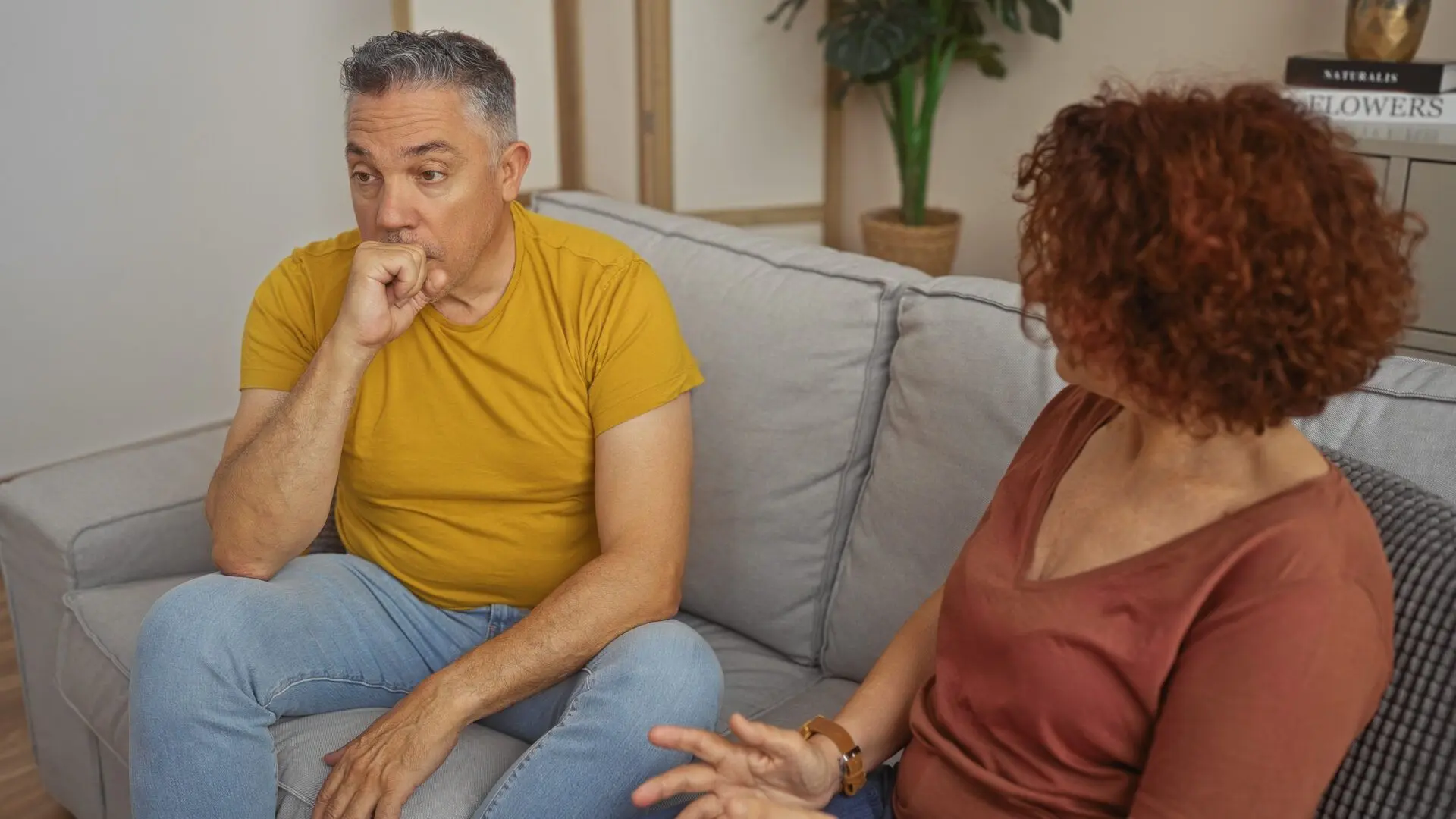
Family estrangement used to be a private shame. Today, it’s a public conversation. For many, walking away from a family of origin is an act of survival—a necessary step to protect their dignity and safety.
But there is another side to the story. Many parents and grandparents find themselves cut off, feeling confused and heartbroken. They aren’t always villains; often, they simply don’t understand what went wrong.
In our current culture, the pendulum has swung from “stay at all costs” to “cut them off if it hurts.” While this shift has helped many escape abuse, it has also oversimplified complex human relationships.
The Problem with the “Toxic” Label
The word toxic is everywhere. Sometimes it’s accurate—describing relationships defined by abuse or coercion. In those cases, distance is life-saving. However, the label is increasingly used to describe:
- Emotional immaturity or poor communication.
- Generational trauma playing out in reactive ways.
- Attachment injuries where both sides feel like the victim.
When we label every painful interaction as “toxic,” we lose the ability to distinguish between danger and dysregulation. One requires an exit; the other might require a different kind of boundary or repair.
It’s Usually About Fear, Not Malice
Attachment research shows that most family conflict is driven by two deep fears: the fear of being abandoned and the fear of being inadequate. When these fears are triggered, we move into survival mode:
- The Pursuer: Attempts to secure connection through control, criticism, or emotional intensity (which can feel like an attack).
- The Withdrawer: Attempts to protect themselves through silence, denial, or distance (which can feel like coldness).
Over time, these “protection strategies” become a cycle. Parents may defend against the shame of failing, while adult children protect themselves from repeated hurt. Neither side intended to destroy the bond, but neither knows how to stop the bleeding.
How I Work With Families: An Attachment Lens
As an EFFT (Emotionally Focused Family Therapy) therapist, I view estrangement not as a simple moral judgment, but as a painful attachment rupture. In my practice, the central question isn’t “Who is right?” but rather: “What happened to the safety and accessibility in this relationship?”
Estrangement often begins as a protest—a desperate demand to be seen or heard. When those protests fail, they harden into a decision that needing the relationship is simply too risky. My work involves slowing down these reactive cycles so family members can finally name the fears underneath the conflict.
Whether we are working toward reconciliation or processing the grief of a permanent cutoff, the goal is clarity. We focus on moving past the “villain/victim” narrative to understand the underlying injuries. This allows for a path forward that is based on grounded reality rather than reactive pain or unresolved shame.
Finding the Middle Ground
Choosing distance isn’t a “failure,” but it doesn’t have to be the only option for growth. A more nuanced approach allows us to:
- Protect safety and name harm clearly.
- Acknowledge the nuance of generational trauma.
- Distinguish between “bad people” and “bad tools.”
Where This Leaves Us
A trauma-informed approach to estrangement is not “stay no matter what,” nor is it “leave at the first sign of pain.” It is about protecting safety while respecting the messy reality of human connection.
Most people do not wake up intending to damage their family; they are reacting to old wounds using strategies formed long before they had better options. This doesn’t make the behavior harmless, but it changes what healing requires.
Our task is to resist simple narratives. Whether the path forward leads to reconciliation, firm boundaries, or a final goodbye, we owe it to ourselves to move toward a conclusion that is honest, patient, and grounded in reality.
Family-Focused Therapy for Individuals
While estrangement is a family dynamic, the weight of it is carried by the individual. Navigating a “cutoff” often triggers deep-seated anxiety, grief, or a questioning of one’s own identity. This is where individual therapy in Reno can be a transformative resource. Rather than focusing on “fixing” the other person, individual sessions provide a dedicated space to process your own attachment wounds, establish healthy boundaries, and reclaim your sense of peace. Whether you are seeking a therapist in Reno to help navigate the fallout of a family rift or to work through the trauma that led to it, focusing on your own internal healing is often the most vital step toward a resolution.
Moving Toward Clarity
If you are navigating the pain of family estrangement—whether you are the one who initiated the distance or the one left behind—you don’t have to carry the weight of “simple” labels alone. Healing begins when we look honestly at the patterns and the pain beneath them.
If you are in the Reno area and would like a safe, structured space to explore these dynamics, I am here to help. You can learn more about my approach to family therapy or reach out to schedule an initial conversation.
No Fields Found.7 Signs You Need Marriage Counseling / Couples Therapy (2026 Expert Guide)
Most couples try to “self-help” their way out of a rut before seeking professional support. While books and podcasts are great, certain patterns—like constant circular arguments or a total lack of intimacy—benefit most from expert intervention. If you’ve found yourself asking, “Should we do marriage counseling now?”, you’re already taking a brave first step toward healing.
In this guide, I’ll break down 7 critical red flags that suggest your partnership needs the specialized support of couple counseling & marriage therapy. Recognizing these signs early allows you to move from “roommate mode” back into a deep, connected relationship. If you recognize these signs, speaking with a specialist can help. Schedule a free 15-minute consultation.
7 Signs Your Relationship May Be in Trouble
1. Diminished Priority on Quality Time Together
In the early stages of a relationship, the thrill of spending quality time together is often incomparable. However, if you find yourselves gradually drifting apart due to other commitments or distractions, it’s worth taking a closer look at the health of your relationship. To be clear, life has a way of keeping us busy, but a consistent decline in the time spent together could be an indication of fading interest in nurturing your bond. That said, it’s crucial to differentiate between evolving priorities and emotional detachment.
2. Communication Becomes Stagnant or Scarce
Effective communication is the lifeblood of a thriving relationship. When your conversations start feeling repetitive, mundane, or infrequent, it may be a sign of diminishing emotional intimacy and connection.
3. Negative and Minimal Communication
Meaningful communication should uplift and strengthen your relationship. If your interactions are marred by negativity, frequent arguments, or criticism, it can slowly erode the trust and harmony in your partnership.
4. Conflict Breeds Resentment Instead of Resolution
When disagreements persist without resolution, they turn into “attachment injuries.” Instead of just arguing about the dishes, you’re arguing about whether your partner is there for you. This is where Emotionally Focused Therapy (EFT) is incredibly effective—it helps you get underneath the anger to the core needs that aren’t being met.
5. One Partner Voices Concerns
Often, one partner may sense trouble in the relationship before the other. If your partner expresses concerns or dissatisfaction, it’s crucial to take their feelings seriously and initiate an open and honest conversation. This is another factor in answering, “should we do relationship counseling now?” If you aren’t sure if your partner is ready, starting with individual therapy in Reno can help you gain the clarity needed to move forward.”
6. One Partner Shows Reluctance to Listen
Effective communication involves active listening from both partners. When one partner consistently dismisses the other’s thoughts and feelings without a willingness to engage, it can lead to frustration and emotional distance.
7. Criticism of Differences Instead of Embracing Them
If you find yourself constantly criticizing your partner’s personality rather than their behavior, there may be deeper individual stressors at play. Sometimes, the best way to show up for your marriage is to spend time in individual counseling to understand your own triggers and reactive patterns.
Conclusion
Healthy relationships require nurturing, communication, and mutual effort. Determining whether you should do relationship counseling isn’t always easy. Recognizing these warning signs that your relationship might be encountering challenges is the first step toward addressing any underlying issues and rekindling the flame of love. If you identify with any of these signs, consider seeking professional guidance and at the least, engaging in a sincere conversation with your partner about your concerns. Relationship counseling like EFT can get you back on the path of connection. Remember, with dedication and mutual support, many relationships can overcome obstacles and emerge stronger than ever before!
About Cornelius Sheehan, LCSW
Cornelius Sheehan is a Licensed Clinical Social Worker and the founder of Individual & Relationship Counseling Associates in Reno, NV. He specializes in individual, couple, and family therapy, utilizing Emotionally Focused Therapy (EFT) to help clients move from distress to deep connection. Whether you are navigating personal growth, marital conflict, or family transitions, Cornelius provides a grounded, research and evidence-based approach to healing. Learn more or schedule a consultation.
A Secure Base: An Effective Approach to Individual and Couple Therapy

In my experience working with individuals, couples, and families over the years, one of the things that has become very clear is this: healing happens in connection. Whether we’re recovering from trauma, struggling with self-criticism, or navigating relationship pain, real change doesn’t come from trying harder to “fix” ourselves—it comes from experiencing safety with another person. This is true of family and romantic bonds- and also true of the therapy relationship. We are formed in the context of relationship with important others.
Healing Begins with Safety
Human beings are wired for connection. From infancy to adulthood, our nervous systems depend on the presence of safe, responsive others to regulate emotion and build a sense of stability. When we feel securely connected—when someone really sees us, listens, and stays with us through difficult emotions—our bodies begin to relax. That’s when healing starts.
In therapy, that sense of safety is foundational. A secure therapeutic relationship allows people to bring forward the parts of themselves they’ve long kept hidden. Over time, this emotional safety teaches the brain and body that it’s okay to be fully known. From there, authentic self-acceptance can begin to take root.
Connection, Not Perfection
Many people enter therapy thinking healing means “fixing” what’s wrong. But emotional health doesn’t come from perfection—it comes from connection. In the presence of a compassionate other, pain can be met with understanding instead of judgment. When that happens, shame begins to lose its grip.
In a secure relationship—whether in therapy or at home—we learn something life-changing: I can be fully myself and still be loved. That realization transforms not just how we see others, but how we see ourselves.
From Self-Protection to Self-Compassion
When we’ve been hurt or disappointed by others, self-protection often feels like survival. We withdraw, shut down, or stay busy to avoid pain. But when we begin to experience emotional safety, those protective patterns can finally soften. Instead of staying guarded, we can risk being seen—and that vulnerability becomes the doorway to growth.
In a secure relationship, acceptance comes first, and change follows naturally. As trust deepens, self-compassion replaces self-criticism. We begin to sense that our feelings make sense, that our needs are human, and that we are worthy of care.
A Secure Base for Healing
Healing and self-acceptance unfold within the safety of connection. That’s why therapy rooted in attachment and Emotionally Focused Therapy (EFT) places so much emphasis on creating secure bonds. When we feel emotionally safe—with our partner, family, or therapist—we’re no longer alone in our struggles. We can face what hurts, integrate what’s been avoided, and start to live from a more centered, authentic place.
If you’re seeking therapy in Reno to better understand yourself, your emotions, or your relationships, you don’t have to do it alone. Together, we can build the kind of secure foundation that helps healing take hold. Call us for a free consultation at 775-235-2205.
About Cornelius Sheehan, LCSW
Cornelius Sheehan is a Licensed Clinical Social Worker and the founder of Individual & Relationship Counseling Associates in Reno, NV. He specializes in individual, couple, and family therapy, utilizing Emotionally Focused Therapy (EFT) to help clients move from distress to deep connection. Whether you are navigating personal growth, marital conflict, or family transitions, Cornelius provides a grounded, evidence-based approach to healing. Learn more or schedule a consultation.
Meet Amy Aranda, CSW-I
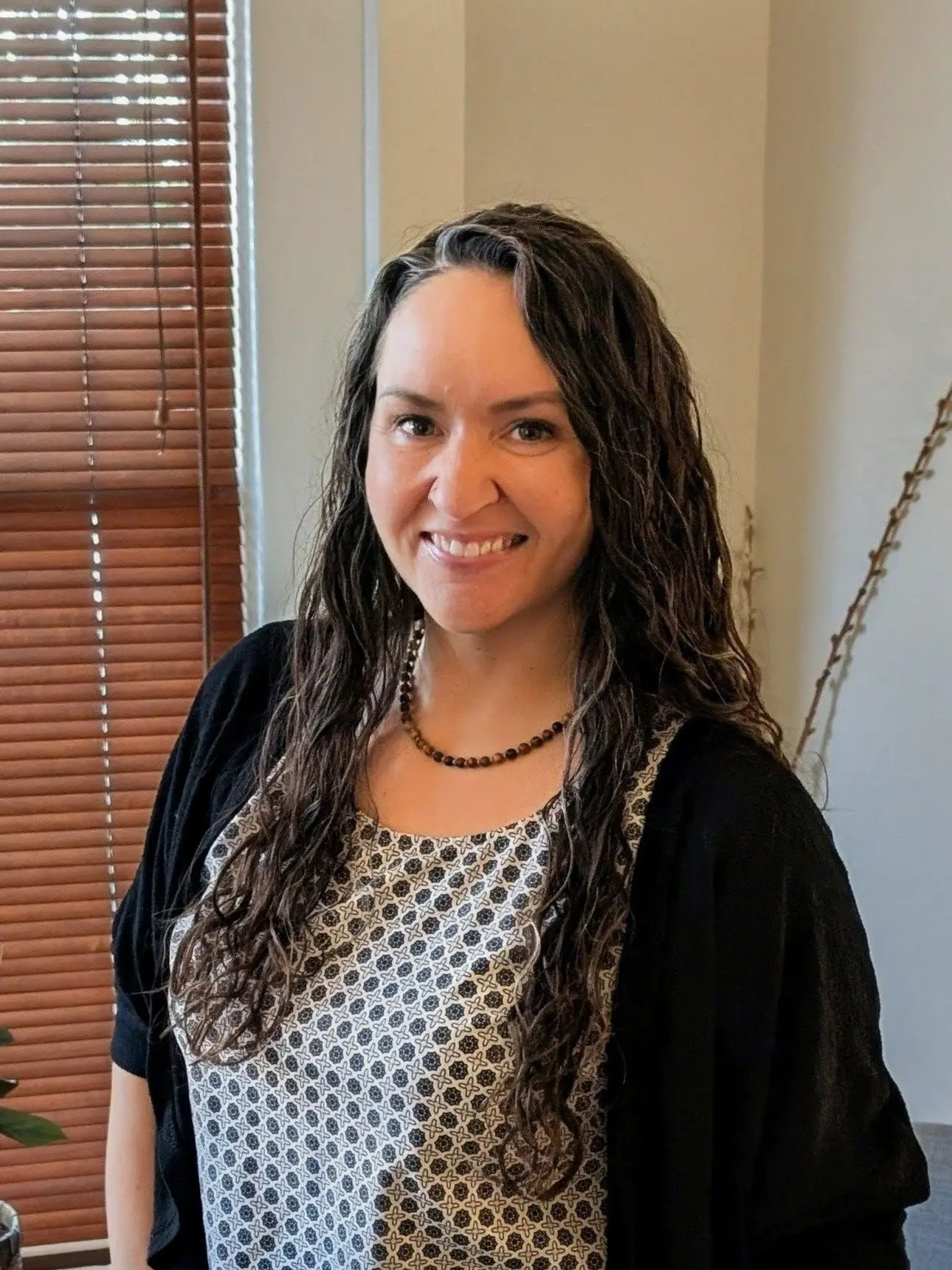
Meet Amy – Clinical Social Work Intern
Hi, I’m Amy Aranda, a clinical social work intern at Individual & Relationship Counseling Associates. With over 7 years of experience in the mental health field—including extensive experience in community health and wellness—I am a compassionate therapist in Reno dedicated to helping adult individuals and couples build the secure connections they need to live with greater ease and fulfillment.
I understand that when your most important relationships feel strained, every part of life feels heavier. I am passionate about helping both individuals and couples move past the ‘stuck’ patterns of conflict and disconnection. Together, we will work to restore clarity, balance, and connection, giving you the tools to navigate life’s challenges with a renewed sense of security and partnership.
My Therapeutic Approach
I believe everyone deserves to feel truly heard and understood. My approach is collaborative and compassionate, and I work side by side with clients to create meaningful change. I have training in attachment-based Emotionally Focused Therapy (EFT) for couples and therapist for individuals, which means I focus on strengthening the bonds that help us feel secure, connected, and resilient.
By using the science of Emotionally Focused Therapy (EFT), we look past the surface-level arguments to find the emotional safety that allows a relationship to truly thrive.
In addition to EFT, I draw from a variety of evidence-based therapies to support your unique needs, always with the goal of helping you navigate emotional struggles and move toward the life and relationships you want. Whether you’re seeking support for individual concerns or want to deepen your connection with a partner, I provide a safe, supportive environment where growth and healing can take place.
About Me Outside of Therapy
Outside of my work as a therapist, I love teaching Zumba fitness and ice skating classes. For me, movement, artistry, and self-expression are an important part of self-care, and I find joy in inspiring others to have fun while learning new skills.
I also treasure time with my wife and our beloved pets. In the summer, we enjoy camping and being outdoors together—it’s one of the ways I recharge and stay grounded.
Supervision and Fees
I am currently practicing under the supervision of Cornelius Sheehan, LCSW. I am committed to offering high-quality, client-centered care. My standard session fee is $120, and I also offer a sliding-scale option to help make therapy more accessible.
Availability
I am available for sessions most weekdays after 3:00 pm, with some Saturday appointments also offered. I do my best to remain flexible to meet client and scheduling needs.
Does Amy Aranda offer individual therapy for adults in Reno?
Yes. I am a compassionate individual therapist in Reno dedicated to helping adults navigate life’s ‘stuck’ patterns. Whether you are dealing with relationship stress, anxiety, or the weight of life transitions, I provide a safe space to restore clarity and balance. My goal is to help you build the secure internal connection you need to live with greater ease.
What is Amy Aranda’s approach to individual and couples counseling?
My approach is rooted in attachment-based Emotionally Focused Therapy (EFT). I use the science of EFT to help both individuals and couples move past surface-level symptoms to find the emotional safety that allows for true healing. By understanding the ‘why’ behind our reactions, we can create more resilient, connected relationships with ourselves and others.
How does Amy’s background in wellness influence her therapy work?
With over 7 years in the mental health and wellness fields—including experience as a recovery coach and fitness instructor—I view healing through a holistic lens. I understand that movement and self-expression are vital parts of self-care. This broad perspective helps me support individual therapy clients in Reno who are looking for a collaborative, human-centered path to wellness.
Is Amy Aranda available for in-person therapy in Reno?
Yes, I offer in-person sessions at our central Reno office, as well as secure telehealth for clients throughout Nevada. I am available most weekdays after 3:00 pm and offer some Saturday appointments to remain flexible for my clients’ scheduling needs.
Find the Right Connection: Our Therapists in Reno
Our team at Individual & Relationship Counseling Associates works collaboratively to support the Reno community. While we all have extensive and ongoing training in attachment-based Emotionally Focused Therapy (EFT) for couples, our clinicians provide specialized focus areas to help you find the right fit:
- Hillary Harris: Find internal safety and peace. Hillary focuses on individual and relationship therapy designed to move you through anxiety and toward a secure sense of self.
- Gina Bemis: Strengthen your family bond. Gina specializes in EFT-based couple and family support, helping both the unit and the individual grow together.
- Maddie Huntley: Navigate life transitions with confidence. Maddie offers specialized therapy for young adults facing family conflict or the challenges of early adulthood.
- Karen McKinney: Heal from the past. Karen provides compassionate relationship repair for individuals and couples, with a specialized focus on healing from addiction and trauma.
- Sarah Rosenbloom: Support for your growing family. Sarah offers dedicated attachment-based counseling for couples navigating the unique emotional complexities of fertility and pregnancy.
- Cornelius Sheehan: Guidance for deep change. As a veteran clinician, Cornelius provides expert care for complex family dynamics and long-term relationship repair, alongside depth-oriented psychotherapy for individuals.
When Marriage Counseling Makes Things Worse: Why Some Approaches Fail—and How EFT Gets It Right

Does Marriage Counseling Work? It Depends…
Introduction:
I read a forum post recently where the author was gathering opinions about, “does marriage counseling work?” My internal voice was, “well of course it does!!” But this isn’t always true: it depends on a number of factors. In this article I’m speaking to couples who are wondering whether marriage counseling works, and perhaps more importantly, whether it will make things worse. After all, if things are bad then at least doing nothing isn’t likely to make them worse, right? This is why I said, “it depends” in the subtitle.
In my years as an Emotionally Focused Therapist, I’ve had the privilege of guiding many couples through meaningful change and growth in their relationships. I’ve seen many couples reconnect and rediscover love and trust with EFT. However, I’ve also encountered situations where well-intentioned therapeutic interventions had inadvertently made existing challenges worse. Here’s an example:
I recall one couple, I’ll call them Sarah and Mark, who sought my help after months of behavioral-based couples therapy. They were nearing the end of their rope, their communication patterns mired in blame and defensiveness. Mark felt unheard and unaccepted, while Sarah felt unimportant, like she didn’t matter to Mark the way she had earlier in their relationship. Their previous therapist (8-sessions) had focused on instructing them regarding communication techniques, but this only seemed to intensify their conflicts. Each new “technique” became another tool for discord. Conflict began to center around who was at fault for not following the therapist’s instruction. They were feeling hopeless when I met them. They were also feeling sort of, “like a couple of frauds,” as they put it, because friends and acquaintances considered them an ideal couple.
Sarah and Mark’s experience is unfortunately not uncommon. Many couples enter therapy seeking support, only to find themselves feeling more disconnected and discouraged. Our local Reno therapists, Individual & Relationship Counseling Associates, understand this potential risk.
The Challenges of Traditional Marriage Therapy
Often, traditional marriage counseling can become mired in continually identifying problems and assigning blame. As Sue Johnson, the pioneer of EFT, aptly observes, “Many couples come to therapy talking about communication problems when what they really need is help with the underlying emotions driving those problems.” (1)
Instead of fostering understanding and connection, this approach can leave couples feeling increasingly isolated and misunderstood. John Gottman, a leading researcher on marital stability, echoes this concern: “Most couples therapy focuses on changing behaviors, but what really needs to change is the emotional connection.” (2)
Specific challenges of traditional couples therapy models include:
- The Blame Cycle: Some approaches inadvertently encourage partners to focus on each other’s perceived flaws, fostering criticism and defensiveness, which can further erode their bond.
- Surface or Content-Level Focus: Traditional therapy may get caught up in the content of arguments, overlooking the deeper emotional needs fueling those conflicts. This is akin to addressing symptoms while neglecting the underlying cause.
- Neglecting Attachment Needs: Humans have an innate need for connection. When these needs are unmet, we often react with fear, anger, or insecurity. Traditional therapy may not always address these fundamental needs, leaving couples feeling alone and unsupported.
- One-Size-Fits-All Solutions: Many therapists rely on standardized techniques and interventions that may not resonate with the unique dynamics of each couple. This can lead to frustration and a sense of being misunderstood.
Does Marriage Counseling Work? EFT: A Path to Emotional Safety and Connection
We do Emotionally Focused Therapy (EFT) for couples and it offers a different path. It recognizes that conflict is often a cry for connection, a desperate attempt to get our partner’s attention and feel loved and secure. In simple terms, Emotionally Focused Therapy (EFT) for couples is a roadmap to understanding and healing the emotional wounds that cause conflict in your relationship. Learn more about couples therapy with us.
EFT guides couples through a process of:
- Uncovering Hidden Emotions: EFT helps you and your partner identify and express the deeper emotions that are often hidden beneath the surface of your arguments. These emotions might be fear, hurt, loneliness, or feeling unloved. Once these emotions are out in the open, you can start to make sense of them and address them.
- Creating a Safe Space: Your therapist will create a safe and supportive space where both of you can feel comfortable sharing your emotions without fear of judgment or criticism. This safe space is crucial for healing and building trust.
- Understanding Your “Dance”: EFT therapists help you recognize the negative patterns or “dances” you get stuck in during conflicts. These patterns often involve one person pursuing connection and the other withdrawing. Understanding this dance helps you break free from it.
- Changing Your Steps: With the therapist’s guidance, you’ll learn new ways to respond to each other’s emotional needs. This involves expressing your own needs more clearly and responding to your partner’s needs with empathy and understanding.
- Building a Stronger Bond: As you learn to communicate more openly and connect on a deeper emotional level, you’ll start to feel closer and more secure in your relationship. Trust and intimacy will grow, and you’ll be better equipped to handle challenges together.
Does Marriage Counseling Work? Only if it gets to the root of distress!
Think of EFT like learning a new language – the language of emotions. Instead of speaking in accusations and criticisms, you’ll learn to express your needs and feelings in a way that your partner can understand and respond to. This new way of communicating can transform your relationship from a battleground into a safe haven.
It takes time and effort to change deeply ingrained patterns. I saw this positive change unfold with Sarah and Mark. As we delved into their deeper emotions, they began to understand the pain and fear that fueled their conflicts. Mark realized that Sarah’s criticism stemmed from a fear of abandonment, while Sarah recognized that Mark’s withdrawal was a way of protecting himself from feeling hurt. As they learned to express their needs more vulnerably and respond with compassion, their relationship began to heal.
Very importantly, when Sarah and Mark found themselves stuck in their negative pattern at home, they had a strategy. They were able to slow things down and realize they were bogged down. This gave them an opportunity to regroup and talk in more emotionally vulnerable terms. Specifically, to describe how their respective criticism and defensiveness were reactions to feeling disconnected and misunderstood.
Conclusion:
Does marriage counseling work? Couples therapy can be a valuable tool for healing and growth, but only when it addresses the root of the problem: the emotional disconnection that drives conflict. Emotionally Focused Therapy (EFT), as offered by practices like Individual & Relationship Counseling Associates in Reno, offers a roadmap for couples to navigate their emotional landscape, heal old wounds, and create a more secure and loving relationship. If you’re considering couples therapy, choose wisely. Your relationship is worth it.
Citations:
(1) Johnson, S. M. (2004). The Practice of Emotionally Focused Couple Therapy: Creating Connection. Brunner-Routledge. (2) Gottman, J. M., & Silver, N. (2015). The Seven Principles for Making Marriage Work. Harmony.
About Cornelius Sheehan, LCSW
Cornelius Sheehanis a Licensed Clinical Social Worker and the founder ofIndividual & Relationship Counseling Associatesin Reno, NV. He specializes in individual, couple, and family therapy, utilizingEmotionally Focused Therapy (EFT)to help clients move from distress to deep connection. Whether you are navigating personal growth, marital conflict, or family transitions, Cornelius provides a grounded, evidence-based approach to healing.Learn moreorschedule a consultation.
Starting Couples Therapy? What to Expect in Your First Sessions

What to Expect in Couples Therapy: A Path to Clarity and Healing
If you and your partner are considering couples therapy in Reno, you might wonder what to expect. Will it help? How does it work? This article gives you a practical overview of how couples therapy—especially Emotionally Focused Therapy (EFT)—can support your relationship. EFT is a highly researched, effective, and non-judgmental approach that helps partners reconnect, communicate, and heal. Learn more about Emotionally Focused Couple Therapy here.
Expect Respect and Honoring of Your Values
Very importantly, you will be met with respect for your personal and shared views and values. Our therapists have expertise in helping couples experience reaching to one another in a heartfelt, connected way. But we are humble, because you are the expert in your unique relationship and what you want for it. In this sense, we’re like highly-trained consultants helping you move toward your goals. Our therapists will guide, advise and direct- but they will never tell you what to do.
You should never feel judged or “ganged up on.” My colleagues and I continually monitor our working alliance with you. It’s critical for us to know and make a correction when one of our clients doesn’t feel like we’re getting them.
What Is Emotionally Focused Therapy for Couples?
EFT is a type of couples therapy grounded in the science of attachment, which describes how we bond with one another. Attachment science also describes what can happen when bonds rupture. It’s based on the idea that emotional connection is key to feeling accepted and cared for, and this in turn leads to lasting, fulfilling relationship. During EFT sessions, we’ll work together to identify and change patterns that keep you and your partner feeling disconnected. This isn’t about blame; instead, it’s about understanding each other’s needs and learning how to respond with care and compassion.
Expect EFT to focus on:
- Helping each partner feel safe and supported.
- Encouraging open, honest emotional communication.
- Building a secure foundation for lasting change.
With EFT, you’ll learn to shift from reacting in frustration or silence to reaching out in a way that helps your partner feel seen and valued. The goal is that partners begin to experience their importance to one another. Further, that this importance is what drives heightened reactions to feeling disconnected.
What Actually Happens in a Couples Therapy Session?
In your first session, we’ll discuss what brought you both to therapy and what you hope to achieve. Don’t worry—there’s no “right” way to start. I’ll guide the process, and together, we’ll create a comfortable, respectful space for each of you to share your perspective. You’ll leave this session with a high-level map for our upcoming work together.
Here’s a typical structure for couples therapy sessions:
- Identify Relationship Patterns: We’ll uncover the cycles that lead to conflict or distance. Understanding these patterns helps you both feel less stuck.
- Practice New Ways of Communicating: You’ll have the chance to learn and practice new communication skills, often in the form of guided conversations.
- Develop a Deeper Connection: Through honest, vulnerable conversations, you’ll work towards feeling more secure and connected.
Emotionally Focused Couple Therapy (EFCT) in Reno is a structured and collaborative process designed to help you and your partner repair and strengthen your emotional connection. It’s grounded in the understanding that most relationship struggles stem from feelings of disconnection, hurt, or fear that often go unspoken or misunderstood.
Step-By-Step: What the Couples Therapy Process Looks Like
- Understanding Your Relationship Patterns
In the early sessions, we’ll work together to uncover the recurring patterns of interaction that may be keeping you stuck. Often, couples find themselves in cycles of conflict, withdrawal, or miscommunication that lead to frustration and distance. We’ll identify these cycles and help you see them as the shared challenge to overcome—rather than blaming one another. - Exploring the Emotions Beneath the Conflict
EFT focuses on the emotional experiences that drive your interactions. You’ll both have the chance to safely explore and express deeper feelings—such as fear of rejection, loneliness, or longing for closeness—that may be hidden behind anger or frustration. This can be a powerful step toward understanding and validating each other in a new way. - Rebuilding Trust and Security
As the therapy progresses, you’ll practice turning toward one another with greater vulnerability and openness. With support, you’ll learn how to respond to each other’s needs for comfort, reassurance, and connection, creating a sense of safety in the relationship. - Creating New Patterns of Connection
The ultimate goal of EFT is to help you and your partner build new, healthier patterns of communication that foster closeness and resolve conflicts in a way that brings you closer together. These skills will help you navigate future challenges as a team, with a stronger foundation of trust and emotional intimacy.
For more on these sessions explore our page about couples therapy here.
How Long Does it Take to See Results?
Everyone’s starting point and experience are unique, but most couples notice positive changes within the first few sessions. With EFT, it’s been my experience that significant shifts have occurred after about 4–10 sessions, depending on the issues at hand. Along the way, partners build trust in each other and confidence in their ability to work through challenges together. A full course of therapy with my colleagues and I is usually in the neighborhood of 18-24 sessions, spread out over time. That said, most of the couples I work with continue periodic meetings in order to have a place to work through impasses, and very importantly, to reinforce successes.
Ready to Take the Next Step in Your Relationship?
If you’re ready to explore how EFT in Reno can help, reach out to schedule a session. Visit www.csheehanjr.com to get started. Taking this step can feel daunting. From the moment you talk with our Care Coordinator, we’ll make getting started a clear and easy process. We know your decision to move forward with therapy is a major commitment to your relationship. Let’s work together to create the relationship you want and deserve. You can schedule a free couples therapy consultation with one of our therapists. Use the online contact form you’ll find here, or call us at 775-235-2205.
How to Rebuild Trust After an Affair

Emotional Recovery After Betrayal: Beginning the Journey
When trust is broken by infidelity, it can feel like the ground has disappeared beneath your feet. For many couples, the pain goes beyond the betrayal itself. It strikes at the heart of their emotional safety, sense of connection, and security. Understanding how to rebuild trust after an affair is one of the most common requests from clients seeking a consultation with us. If you find yourself asking, “Can our relationship survive an affair?” or “Is healing even possible?”—you are not alone.
At our practice, we help couples rebuild trust after an affair or other violation of trust using Emotionally Focused Therapy (EFT). Developed by Dr. Sue Johnson, EFT is grounded in attachment science and offers a clear path toward healing, reconnection, and renewed intimacy.
How Emotionally Focused Therapy Helps Couples Heal
Emotionally Focused Therapy is uniquely effective for couples facing the aftermath of infidelity. Rather than focusing solely on behavior change or surface-level communication skills, EFT gets to the heart of what matters most: emotional safety, attachment needs, and the pain of disconnection. It provides a clear, research-based path for rebuilding trust from the inside out.
Why Infidelity Hurts So Much: An Attachment Perspective
In EFT, we understand romantic relationships as emotional bonds. When one partner steps outside that bond—whether through a physical or emotional affair—it creates what we call an attachment injury. It is not just about broken rules or morality; it is about the profound emotional disruption that occurs when a trusted partner suddenly feels unsafe or unreachable.
The betrayed partner often experiences overwhelming grief, rage, and fear. The partner who strayed may feel deep shame, guilt, or defensiveness. Both are hurting. And often, both want to find their way back—but don’t know how.
It’s no exaggeration that an affair or betrayal can hit like an earthquake. It shakes the very foundation of your life. And the pain doesn’t stop there—there can be aftershocks. Painful reminders, reactivations of fear, and uncertainty can surface again and again. Even if not as intense as the initial discovery, these emotional aftershocks can still feel unsafe.
Infidelity attacks the most sacred foundation of a relationship—the shared agreement to be each other’s emotional home. When that is broken, it often creates fear, deep insecurity, and profound disorientation. Finding out how to move forward after an affair can become pressing.
What Is an Attachment Injury? (According to Dr. Sue Johnson)
This section draws on Dr. Sue Johnson’s article, Broken Bonds: An Emotionally Focused Approach to Infidelity (2005), published in the Journal of Couple & Relationship Therapy. Dr. Johnson shows us that infidelity is not just a moral issue. It ruptures the attachment bond at the core of romantic connection.
Dr. Sue Johnson, the founder of Emotionally Focused Therapy, describes an attachment injury as a betrayal or abandonment at a critical moment of need that leaves a partner feeling intensely unsafe and emotionally alone. Infidelity is one of the most profound attachment injuries because it shatters the belief that one’s partner will be available, responsive, and emotionally engaged—especially in moments of vulnerability.
The betrayed partner may experience symptoms similar to post-traumatic stress: hypervigilance, intrusive thoughts, numbness, or emotional withdrawal. These reactions aren’t signs of weakness—they are the mind and body responding to a fundamental rupture in emotional safety.
Emotionally Focused Therapy doesn’t minimize this pain—it makes space for it. That’s one reason couples therapy after infidelity is so effective. It helps both partners make sense of the rupture and begin healing in a safe emotional space. And it helps couples walk through it together. The therapeutic goal is not just insight or apology, but a new felt sense of safety and emotional responsiveness. EFT answers the question of how to rebuild trust after an affair. EFT guides both partners through the injury in a structured way. Dr. Johnson outlines steps for this process, which include emotional engagement, empathy, and reconnection.
What Rebuilding Trust After an Affair Requires (It’s Not Just Forgiveness)
At the heart of this process is the need for a non-judgmental environment. The discovery or disclosure of an affair can evoke intense emotional pain, shame, and fear in both partners.
To begin healing, couples must feel safe enough to express those feelings without fear of criticism or rejection.
“EFT therapists are uniquely trained to create a space that feels emotionally safe, genuinely supportive, and fully open to both partners’ experiences- no matter how raw, painful, or conflicted they may be. This safety is not just a comfort; it is the essential ground for doing the kind of deep, vulnerable work that healing requires. A judgmental stance is destructive to the process.”
— Cornelius Sheehan, Director, Individual & Relationship Counseling Associates
Healing after betrayal doesn’t happen by pretending it didn’t occur or by demanding immediate forgiveness. It begins with creating space to share emotional truth and receive it with care. EFT helps couples:
- Understand the emotional meaning of the affair
- Share the pain and impact of the betrayal
- Develop new ways of responding to each other’s vulnerability
- Rebuild emotional safety through consistent, attuned connection
A core aspect of EFT in this context is creating a safe therapeutic space—one that is non-judgmental, emotionally engaged, and deeply respectful of both partners’ experiences. This helps reduce reactivity, allows space for clarity, and encourages a level of honesty that can be transformative.
Many couples say they can finally face long-ignored emotional needs only after confronting infidelity in therapy. And through that work, they sometimes achieve a kind of intimacy they never imagined was possible.
The healing process takes time, courage, and skilled guidance. But it can lead to a deeper and more secure bond.
What Happens in Emotionally Focused Couples Therapy for Rebuilding Trust
In Emotionally Focused Therapy (EFT) for couples dealing with infidelity, the therapeutic process focuses on addressing the emotional injuries and facilitating healing through structured phases. Here’s how the process typically unfolds, with a focus on repairing the injury (what we call an “attachment injury”):
EFT Phase 1: De-escalation
This initial phase aims to calm the intense turmoil caused by the discovery of an affair. The therapist helps both partners recognize and articulate the destructive patterns of interaction that are contributing to disconnection and distress as they try to navigate the injury. Key here is identifying how these patterns—such as blame, withdrawal, or defensiveness—prevent healthy communication and exacerbate feelings of betrayal.
EFT Phase 2: Restructuring the Bond
In this crucial phase, the focus shifts to the emotional injuries suffered. The injured partner is encouraged to express their pain and betrayal in a way that is raw and honest, which can deeply affect the betraying partner. This stage fosters empathy by helping the betraying partner respond with genuine understanding and accountability rather than defensiveness. Through guided dialogues, the therapist assists the couple in rebuilding their emotional connection, encouraging them to take risks in showing vulnerability and compassion towards each other.
EFT Phase 3: Consolidation
The final phase of EFT after an affair involves solidifying the couple’s new, healthier patterns of interaction. The therapist works with the couple to reinforce positive changes and explore remaining issues that might disrupt their renewed connection. The goal here is to move beyond the immediate crisis of the affair towards a stronger, more secure relational bond, enhancing intimacy and trust.
Throughout all these phases, the therapist maintains a focus on non-judgmental exploration of emotions, validating each partner’s feelings, and fostering a new narrative about their relationship that includes both the trauma of the affair and the possibilities for renewal.
This structured approach to repairing attachment injuries in the wake of infidelity emphasizes emotional safety and connectivity, making it possible for couples to rebuild trust and return to a path of secure attachment.
For a deeper understanding of the EFT process and principles, especially in the context of repairing attachment injuries, you might consider looking at the works by Dr. Sue Johnson, who has extensively written and taught about emotionally focused therapy. Here’s a comprehensive guide to EFT principles and techniques for further exploration.
Frequently Asked Questions About Rebuilding Trust After an Affair
Can a relationship really recover from an affair?
Yes. We have witnessed many couples emerge stronger, more emotionally connected, and more intentional in their love. Healing is possible when both partners are willing to engage and explore what went wrong beneath the surface. At its core, this is what couples therapy after infidelity is designed to do.
What if one of us isn’t sure we want to stay?
That uncertainty is part of the process. EFT can support both clarity and decision-making, whether the goal is repair or respectful separation.
What if the affair is ongoing?
We ask that outside relationships are ended before beginning repair-focused work. If that is not yet possible, EFT can still help clarify motivations and readiness.
What if I’m the one who has been lying or keeping secrets?
t’s important to recognize that you’re not alone in this. Many people who find themselves in situations of infidelity or secrecy do not initially set out to cause harm. Often, these actions stem from or lead to a deeper emotional disconnection within the relationship. In Emotionally Focused Therapy (EFT), we understand that acknowledging and taking responsibility for these actions is a crucial step towards healing.
EFT provides a supportive and non-judgmental space where you can explore the reasons behind your actions, take accountability, and understand the impact of your behavior on your partner. This process is about more than just admitting wrongs; it’s about engaging in a deeper emotional dialogue that addresses the root causes of disconnection and builds a pathway towards reconnection and trust.
By openly addressing these issues, you can work together with your partner to heal the wounds caused and strengthen your bond. The focus is on creating a new narrative for your relationship—one where both partners feel heard, valued, and intimately connected.
What does ‘Acknowledge the Injury’ mean in affair recovery?
It means giving the injured partner space to express their pain while the other partner listens without defensiveness. This stage helps slow down conflict and opens the door to empathy.
What are the three phases of rebuilding trust after an affair?
The Attachment Injury Repair Method includes: (1) Acknowledge the Injury, (2) Investigate the Meaning, and (3) Restore Connection through Repair. These phases help couples gradually restore emotional safety and rebuild their bond after betrayal.
Why do our therapists refer to infidelities and other betrayals as, “attachment injuries?”
Because in close relationships, emotional safety isn’t just important — it’s fundamental. When a partner is unfaithful or violates trust in a deeply personal way, the pain isn’t only about the specific event. It’s about the attachment bond being broken. In that moment, the person we turn to for comfort, safety, and support becomes the source of fear, doubt, or emotional isolation. Our therapists call these events attachment injuries because they rupture the sense of secure connection at the heart of a relationship. Healing isn’t just about fixing behavior — it’s about repairing that broken emotional bond.
When the Goal Is Clarity or Closure (Not Reconnection)
Not every couple decides to stay together after an affair. But even when separation is the outcome, EFT can help reduce blame, support healing, and lay the foundation for healthier relationships going forward. Many couples who do remain together often report emerging stronger—more emotionally connected and intentional—after working through the pain of betrayal injuries. The Japanese art of kintsugi involves repairing broken pottery with gold. Instead of hiding the cracks, the repair becomes part of the object’s beauty and story. In much the same way, couples can build something new and meaningful—not in spite of the rupture, but through it.¹
We also offer support for individuals struggling with the aftermath of betrayal, whether they were betrayed or broke the trust. Emotional recovery is possible, even outside the context of a couple.
Rebuilding Trust After an Affair is Something You Don’t Have to Do Alone
Affair recovery is one of the hardest emotional challenges a couple can face. You don’t have to have it all figured out to begin therapy. You just need a willingness to look at the hurt, and a desire to move forward—whether that’s together or apart.
Many couples find that while the journey is difficult, their relationship can emerge stronger and more resilient than before. Navigating the aftermath of an affair is a complex process, but you don’t have to do it alone. Because infidelity is often intertwined with other relational patterns, it can be helpful to explore the broader Issues We Treat at our Reno practice to understand the deeper dynamics at play.
If you’re ready to explore a path forward with professional, clinical guidance, we invite you to learn more about our Couples Therapy in Reno. Using approaches like Emotionally Focused Therapy (EFT), we work to help you move from crisis to renewed trust and connection.
Next Steps for Support
- Browse Resources: See our full directory of Issues We Treat for more articles and clinical insights.
- Meet the Team: Meet Our Reno Therapists to find a clinician who specializes in relationship recovery.
- Book a Call: Ready to start? Schedule Your Free Consultation or call/text us at 775-235-2205.
¹ Kintsugi is the Japanese art of repairing broken pottery with gold, highlighting cracks rather than hiding them. It reflects the idea that healing and imperfection can become part of something even more beautiful and resilient.
No Fields Found.Choosing the Right Couples Therapist

How to Choose a Couples Therapist
Choosing a couples therapist is an important step toward strengthening your relationship — but how do you know which therapist is right for you and your partner? You may have searched for terms like “best relationship counseling near me” or “how to choose a couples therapist,” and now you’re looking at a list of options. How do you make an informed choice?
Starting couples therapy is a significant investment in your relationship. You want a therapist whose expertise aligns with your needs — someone who understands the challenges you’re facing and can guide you effectively.
A good couples therapist will typically offer a brief consultation so you can assess their approach and determine if they’re the right fit. To help you through this process, I’ve provided a list of key questions to ask when evaluating a potential therapist — along with guidance on what to listen for in their responses.
These questions fall into 3 essential categories:
- A therapist’s qualifications – Their training, experience, and credentials.
- Their perspective on relationship distress and wellness – How they understand and approach relationship challenges.
- Their therapeutic process – What working with them will look like, session to session.
First, Reflect on Your Relationship Needs and Past Therapy
Before you start calling therapists, take a short pause together. A little clarity here makes the search faster and the first session more productive.
Why now?
What’s brought us to therapy at this moment? Are we:
- Arguing more often or avoiding difficult conversations?
- Recovering from a betrayal such as an affair or addiction?
- Struggling with emotional or sexual disconnection?
- Facing parenting, blended-family, or major life stresses?
- Wanting to strengthen our bond before bigger problems arise?
What have we tried before?
Have either of us done individual or couples therapy in the past?
- What genuinely helped? What didn’t?
- Did we feel safe, respected, and fairly understood?
- Did therapy lead to lasting change, or did things drift back?
Hopes and outcomes (set a shared aim)
Try completing this sentence together:
“In 8–10 sessions, we’d like to be able to…”
- De-escalate our arguments faster
- Feel emotionally close again
- Rebuild trust after a rupture
- Decide together what our next step should be
Values, identities, and preferences
Are there cultural, faith, identity, or lifestyle factors we want our therapist to understand?
Will we need telehealth sessions some of the time?
Emotional safety and boundaries
Are there any emotional or physical safety concerns we need to name up front?
If an individual assessment sessions occurs (they are a normal part of the therapy we do at Individual & Relationship Counseling Associates), what boundaries around confidentiality would help us feel safe?
Quick takeaway:
The clearer you are about why you’re coming, what’s helped or hurt before, and what “better” would look like, the easier it will be to spot a therapist whose training and approach match your needs.
Ask a Potential Therapist These Questions
Is a potential new couple therapist to find out if they’re right for you? Below is a guide to help you determine this and find the right relationship counseling near you. I’ve broken it into sections to make it easier to track.
Couple Therapist Qualifications
Experience and Professional Engagement
“Approximately what percentage of your practice over the last two years has been dedicated to working with couples?” And, “do you have a regular consultation process wherein you discuss your work?” These questions aim to assess the therapist’s dedication to couples therapy. A therapist applying techniques learned for individual therapy to the complexities of a couple’s dynamics can fall far short of what a relationship needs.
Specialized Couple Therapy Training and Qualifications
“What specific training in couples therapy have you undertaken?” Exploring their specialized training provides insight into their qualifications and dedication, facilitating the process of finding the right therapist for you. Prospective therapists should be able to describe application of a method of therapy relative to their training. An EFT Couple Therapist can describe their process in a detailed fashion.
“Do you have specific training regarding difficulties related to sexuality?” This is an important question for couples struggling with problems relating to sexuality to ask.
Feedback and Evaluation Process
“How do you provide feedback and evaluate progress in therapy?” This question allows couples to understand how the therapist assesses progress and navigates therapeutic milestones. A transparent feedback mechanism is vital for ensuring that therapy remains aligned with the couple’s goals and for making necessary adjustments to the therapeutic approach.
Couple Therapist’s Theoretical Orientation
Therapist’s Theoretical Orientation
“What theoretical perspective guides your work with couples?” It is essential that the therapist operates from a solid theoretical foundation, such as Attachment Theory, which is at the heart of Emotionally Focused Couple Therapy (EFT). The approach a therapist takes should be grounded in solid theory. Also, there should be a structured methodology to effectively address relationship distress.
Does the Therapist Understand When NOT to Do Couple Counseling?
“What are the Contraindications to Couple Therapy?” A prospective therapist should be clear about this. They should describe when the type of couple’s therapy they do might not be the best choice or should be approached with caution. Common contraindications follow: Severe mental illness and substance use disorders that interfere with participation. Misaligned agendas for therapy. Ongoing affairs that threaten a partner’s sense of security. Also, a risk of violence that prohibits vulnerability. In some cases, addressing the contraindicating issue (such as through individual therapy, addiction treatment, or safety planning) can make couple therapy like EFT a viable option later on.
Therapist’s Focus: Emotional Connection or Behavioral Contracts?
“How important is the emotional bond versus behavioral contracts in your approach to couple dynamics?” Herein, a therapist who emphasizes strengthening the emotional connection addresses the core issues of relationship distress effectively. The late Dr. Sue Johnson’s insight, “it’s about the bond, not a bargain,” poignantly captures the essence of couple therapy.
Perspective on Enhancing Communication Skills
“How do you work to enhance communication skills in your therapy sessions?” Ideally, the therapist’s approach should highlight the importance of fostering trust that your partner is available, responsive and emotionally engaged. By contrast, a focus on mere communication techniques can interfere with the depth of understanding in the relationship. “I statements” and similar “communication tips” don’t come online readily when intense emotion gets stirred. This is a very important distinction in finding the right therapist for you.
Couple Therapist’s Process
Expectations for Therapy Duration and Frequency
“What are your expectations for the duration and frequency of therapy sessions?” This question helps set realistic expectations for the therapy process. For example, you want to understand how long it might take to see improvements and how often sessions will occur. Therapy is a significant investment. It’s crucial for planning and commitment to the therapeutic journey that you know what to expect.
Strategies for Enhancing Connection Outside Therapy
“What strategies do you recommend for couples to enhance their connection outside of therapy sessions?” A therapist who offers practical tools, exercises and resources for couples to work on between sessions demonstrates a proactive approach to therapy. This can help accelerate progress by encouraging partners to actively engage outside the therapeutic setting.
Approach to Individual Sessions
“Do you conduct individual sessions with partners?” Generally, therapy should involve both partners, with individual sessions reserved for specific assessment purposes. This approach reflects the therapist’s commitment to treating the relationship as the central client. Further, you probably don’t have the right therapist for you if they don’t have a clear policy about how to treat informations shared during individual sessions!
Ensuring Impartiality
“How do you maintain impartiality in your sessions?” Asking this question probes the therapist’s strategy for navigating complex couple dynamics. Thereby, ensuring they view the relationship as an interconnected system. I think it’s so important to feel confident about a prospective therapist’s answer to this question. This is because the experience of therapist bias toward one partner is a primary reason clients cite for therapy “failing.”
How to Find the Best Couples Therapy Locally
If you’re looking for couples therapy in Reno, NV (or in your local area), here are a few tips to help you find the best therapist for your needs:
- Search using phrases like “how to choose a couples therapist near me,” “relationship counseling near me,” or “couples therapy Reno NV.”
- Look for therapists who specialize in relationship work and have advanced training — such as Emotionally Focused Therapy (EFT)
- Prioritize therapists whose practice is focused on couples counseling — not general individual therapy.
- Ask for a brief consultation — this helps you assess their approach and whether it feels like a good fit.
- Consider practices like Individual & Relationship Counseling Associates in Reno where couples therapy is a core specialty.
How to Choose a Couples Therapist: Summary
Selecting the right couples therapist is a thoughtful process — and asking the right questions can help you choose a professional who aligns with your relationship goals. The questions provided here will give you insight into a therapist’s philosophy, methods, and approach, helping you determine if they’re the right fit for your needs.
While a basic search such as “relationship counseling near me” is a good starting point, refining your options is essential. Look for a compassionate, well-trained therapist who provides a clear process, focuses on emotional connection, and can effectively guide you and your partner toward a stronger relationship.
If you’d like to learn more about our approach to couples therapy, visit our Couples Counseling in Reno page or contact us for a confidential consultation.

Meet Maddie Huntley, CSW-I, Therapist in Reno

Hi, I’m Maddie Huntley, a clinical social work intern born and raised in Northern Nevada. I’m a compassionate, strengths-based therapist in Reno dedicated to helping teens, young adults, couples, and individual therapy clients cultivate the emotional well-being and resilience needed to navigate life’s transitions with confidence.
Whether you’re facing relationship challenges, managing stress, or striving to align your life with your values, I’m here to support you with warmth, curiosity, and respect.
How We Will Work Togther: My Therapeutic Approach
My therapy approach is rooted in humanist principles, emphasizing your inherent strengths and unique capacity for growth and self-discovery. I draw from a variety of evidence-based modalities to support your unique needs. By integrating different approaches, I tailor therapy to help you gain clarity, build confidence, and create meaningful change in your life.
The Perspective I Bring as a Professional
With a background in public policy, outdoor recreation, and health and human services, I bring a broad perspective to my work. I understand that personal challenges are deeply influenced by our environments, relationships, and lived experiences. My goal is to provide a safe and supportive space where we can explore your story together and develop practical tools to help you navigate life’s complexities with greater ease.
Is this a good fit?
I find that my approach works best for individuals who feel “stuck” in their current patterns and are looking for a collaborative, non-judgmental space to explore new perspectives. Whether you are a teen navigating high school social pressures or a couple trying to find your way back to each other, we will work at a pace that feels safe and productive for you. I’ll of course be happy to provide a free phone consultation to help you decide.
Your First Session
Our first meeting is about getting comfortable. We’ll spend time discussing what brings you to therapy right now and what you hope to change. You don’t need to have all the answers or a “plan” before you arrive—my job is to help you organize those thoughts and create a path forward together.
Supervision and Fees
I am currently practicing under the clinical supervision of Cornelius Sheehan, LCSW, ensuring that my clients benefit from a collaborative, highly supported approach to their care. My standard session fee is $120, and I offer a sliding-scale option to accommodate financial needs.
About Me Outside of My Therapy Work
When I’m not in the therapy room, I enjoy getting lost in a good book or exploring the mountains, deserts, and trails that make Northern Nevada such a special place.
Get in Touch
If you’re ready to take the next step and would like a consultation, I’d love to connect with you. You can reach me at:
📞 775-235-2205
🌐 www.csheehanjr.com
Or, you can schedule online here.
Do you take insurance?
As a CSW-I, I offer a sliding scale to keep therapy accessible. I am in network for Hometown Health Plan. When I can’t take insurance directly, I can provide documentation for out-of-network benefits.
How long does therapy last?
Some clients find clarity in a few months, while others prefer ongoing support for deeper transitions.
Do you have specialized training?
Yes, I have advanced training in Emotionally Focused Therapy for Couples, and for individuals.
What is a Clinical Social Work Intern (CSW-I)?
A CSW-I is a professional who has completed their Master’s degree in Social Work and is currently gaining the required post-graduate hours for clinical licensure. This means you get a therapist who is deeply engaged with the latest research and receives regular, high-level clinical guidance from a veteran supervisor, often at a more accessible rate.
Do you offer in-person or telehealth sessions?
I offer both. My preference in in-person meetings, but I know this isn’t always an option for my clients. I believe the environment where you do your work matters. We can meet in our comfortable Reno office for a face-to-face connection, or if your schedule and lifestyle require more flexibility, we can meet via a secure, HIPAA-compliant telehealth platform from wherever you are in Nevada.
Is a CSW-I qualified to treat individuals and couples?
Yes. I am specifically trained to work with both individual therapy clients and couples. My approach is rooted in Emotionally Focused Therapy (EFT), which is highly effective for individuals navigating personal transitions and couples looking to repair their bond. By working with a therapist in Reno who understands both dynamics, you get a holistic perspective on how your personal growth impacts your relationships and vice versa.
Meet Sarah Rosenbloom, MFT-I, NCC

Support for the Growing Family: Clarity, Balance, and Connection
The path to parenthood isn’t always the smooth journey we imagine it to be. When you are facing the heavy weight of infertility or the emotional complexities of pregnancy, it can feel like you’re navigating a storm in isolation. I’m Sarah Rosenbloom, a relationship therapist in Reno dedicated to walking alongside individuals and couples as they navigate these deeply personal challenges. My goal is to provide a warm, non-judgmental space where you can process the intense feelings that surface, helping you find a sense of internal safety and renewed hope.
My approach combines the heart-centered focus of humanistic therapy with the proven structure of Emotionally Focused Therapy (EFT). Having navigated my own journey with endometriosis and infertility, I bring a unique level of empathy to our sessions. Whether we are working to strengthen your partnership during a stressful season of fertility treatments or using mindfulness and yoga-informed techniques to manage anxiety, we will work together to restore clarity, balance, and connection in your life and your most important relationships.
About Sarah as a Therapist
Sarah believes that healing begins within and views therapy as a catalyst for uncovering the power we all have to grow and thrive. Using attachment-based and humanistic approaches, she creates a caring, non-judgmental space for clients to explore their challenges and discover solutions. Whether working with individuals, couples, or families, Sarah walks alongside her clients with compassion and curiosity.
My personal experiences with endometriosis and infertility have made me passionate about helping others – couples and individuals – with similar struggles. Experiencing fertility challenges can be so stressful and overwhelming, and can leave you feeling isolated and hopeless; it’s an important time to find support from others who truly understand. Through infertility support counseling in Reno, I can help you to navigate your options while also processing the intense feelings that surface.
As a certified Yoga Instructor, Sarah also integrates mindfulness and body-awareness techniques to support mental and emotional well-being. She has a special passion for helping clients navigate relationship challenges, infertility support counseling, and the complexities of family dynamics, always with a focus on fostering understanding and connection.
About Sarah as a Person
A Reno native, Sarah loves being part of the local community. When she’s not supporting her clients, you’ll find her volunteering, playing on local sports teams, or enjoying the city’s vibrant farmers’ markets. Sarah spends as much time as possible exploring the beautiful Sierras and high desert with her partner, two young children, and beloved dog. Her deep appreciation for nature and commitment to personal growth inspire her work as a therapist and in her everyday life.
Who Sarah Works With
Sarah works with clients aged 13 and older, as well as children within the context of family therapy. She specializes in:
- Relationship Concerns
- Infertility Support Counseling
She also provides support for:
- Co-parenting
- Divorce
- Family conflict
- Grief & Loss
- Marital & Premarital Counseling
- Infidelity
- Parenting
- Women’s Issues
Session Fee for Sarah
Sarah’s standard session fee is $120.
Individual & Relationship Counseling Associates tries to remove barriers to accessing therapy. We may be able to offer a sliding-scale fee reduction. This is done on a case-by-case basis with our Care Coordinator.
Get Started in Therapy with Sarah
If you’re ready to take the next step toward healing and connection, Sarah is here to help. At Individual and Relationship Counseling Associates, we’re dedicated to providing compassionate, high-quality care—and Sarah embodies that mission in everything she does. Call us at 775-235-2205, or fill out a contact form and our Care Coordinator will get you headed in the right direction!
Our team at Individual & Relationship Counseling Associates works collaboratively to support the Reno community. While we all have extensive and ongoing training in attachment-based Emotionally Focused Therapy (EFT) for couples, our clinicians provide specialized focus areas to help you find the right fit:
- Hillary Harris: Find internal safety and peace. Hillary focuses on individual and relationship therapy designed to move you through anxiety and toward a secure sense of self.
- Gina Bemis: Strengthen your family bond. Gina specializes in EFT-based couple and family support, helping both the unit and the individual grow together.
- Maddie Huntley: Navigate life transitions with confidence. Maddie offers specialized therapy for young adults facing family conflict or the challenges of early adulthood.
- Karen McKinney: Heal from the past. Karen provides compassionate relationship repair for individuals and couples, with a specialized focus on healing from addiction and trauma.
- Amy Aranda: Find your path back to connection. Amy focuses on helping individuals and couples move past “stuck” patterns to build clarity, balance, and security.
- Cornelius Sheehan: Guidance for deep change. As a veteran clinician, Cornelius provides expert care for complex family dynamics and long-term relationship repair, alongside depth-oriented psychotherapy for individuals.